


Most of us have a boob that is a little bigger, sits a little higher or has a different nipple position than the other. Breast asymmetry can be so subtle you only notice it in a fitted top, or obvious enough to make getting dressed feel like a mini styling battle. Either way, you are not weird, broken or alone. Real boobs are not matching showroom props - they are bodies, and bodies change.
For some girlies, uneven boobs are simply a fact of life. For others, they become more noticeable after pregnancy, weight changes, breastfeeding, ageing, hormonal shifts or a change in bra habits. The useful bit is knowing what is normal, what is worth checking with your GP and how to create a look that feels more balanced when you want it.
What is breast asymmetry?
Breast asymmetry means the breasts differ in size, shape, position or fullness. One breast may have more volume, a rounder shape, a lower fold beneath it, or more natural droop than the other. Sometimes the difference is only visible without a bra. Sometimes it changes how a square-neck dress, bikini or bodycon top sits.
A small degree of asymmetry is incredibly common. In fact, perfectly identical breasts would be the unusual thing. Our bodies are not symmetrical from side to side: one shoulder may sit differently, one hip may be higher and one foot can even be a slightly different size. Boobs get to be human too.
That said, how much the difference matters is personal. You might not care one bit, or you might want a more even, lifted silhouette for a big night out, a wedding guest dress or the top that has been waiting in your wardrobe for its moment. Both reactions are valid.
Why one boob can look bigger than the other
Natural development and genetics
Breasts do not always develop at exactly the same pace during puberty. One side can arrive early, gain more volume or settle into a different shape. Genetics also play a part in breast tissue, skin elasticity and where the breasts naturally sit on the chest.
For many people, this is the whole story. Your smaller breast is not “failing” to catch up. It is simply your smaller breast.
Hormones and monthly changes
Hormonal fluctuations can affect breast tenderness, swelling and fullness. You may notice one breast looks temporarily more rounded around your period, during pregnancy or while breastfeeding. Changes can also happen when starting, stopping or changing hormonal contraception.
If you track your cycle, it can be reassuring to compare what you see at the same point each month rather than judging your boobs on one random Tuesday.
Pregnancy, breastfeeding and body changes
Pregnancy and breastfeeding can change breast volume and skin stretch differently on each side. It is also common for a baby to favour one side, which may mean one breast is stimulated more often and looks fuller for a while. After feeding ends, breasts can settle differently again.
Weight gain and loss can have a similar effect. Breasts contain both glandular and fatty tissue, so they do not always respond in perfect unison. Add changing skin elasticity and gravity to the mix, and it is no surprise that one side may look perkier or heavier.
Shape, posture and chest structure
A breast can appear uneven because of its shape rather than a major difference in volume. One may be wider, fuller at the bottom or more projected at the centre. Posture can also make a difference, especially in photos. Turning slightly, dropping one shoulder or carrying a bag on the same side every day can alter how your chest looks in a mirror.
Previous injury, surgery or differences in the chest wall can also affect breast position. This does not automatically mean there is a problem, but it is useful context when choosing bras, swimwear or adhesive support.
When should you speak to a GP about breast asymmetry?
If your breasts have always been a bit different, that is usually just your natural shape. But a new or rapidly changing difference deserves attention. Book a GP appointment if you notice a new lump or thickened area, a sudden change in size or shape, persistent pain in one area, skin dimpling, redness, swelling, a rash around the nipple, nipple discharge that is not breast milk, or a nipple that has newly turned inwards.
These symptoms can have many causes, and most changes are not cancer. Still, getting checked is the sensible, self-loving move. Your GP can assess what is happening and tell you whether any further tests are needed. Do not rely on social media, a mirror check or a clever bra to explain away a change that feels new to you.
Dressing for uneven boobs without hiding them
You do not have to disguise breast asymmetry unless you want to. But when the outfit calls for a more even finish, the right support can change the whole feel of a neckline.
The first rule is to fit your fuller breast. A bra cup that cuts into the larger side will draw more attention to the difference and can be wildly uncomfortable. If you wear a bra, choose the size that gives the fuller side room, then use a removable pad on the smaller side if that gives you the balance you want.
For lower-cut, backless or strapless outfits, structured clothing can help. Ruched fabric, draping, prints, thicker materials and neckline details all soften small differences without making you feel wrapped in armour. A plunging neckline can also look gorgeous when you focus on lift and placement rather than chasing mathematical symmetry.
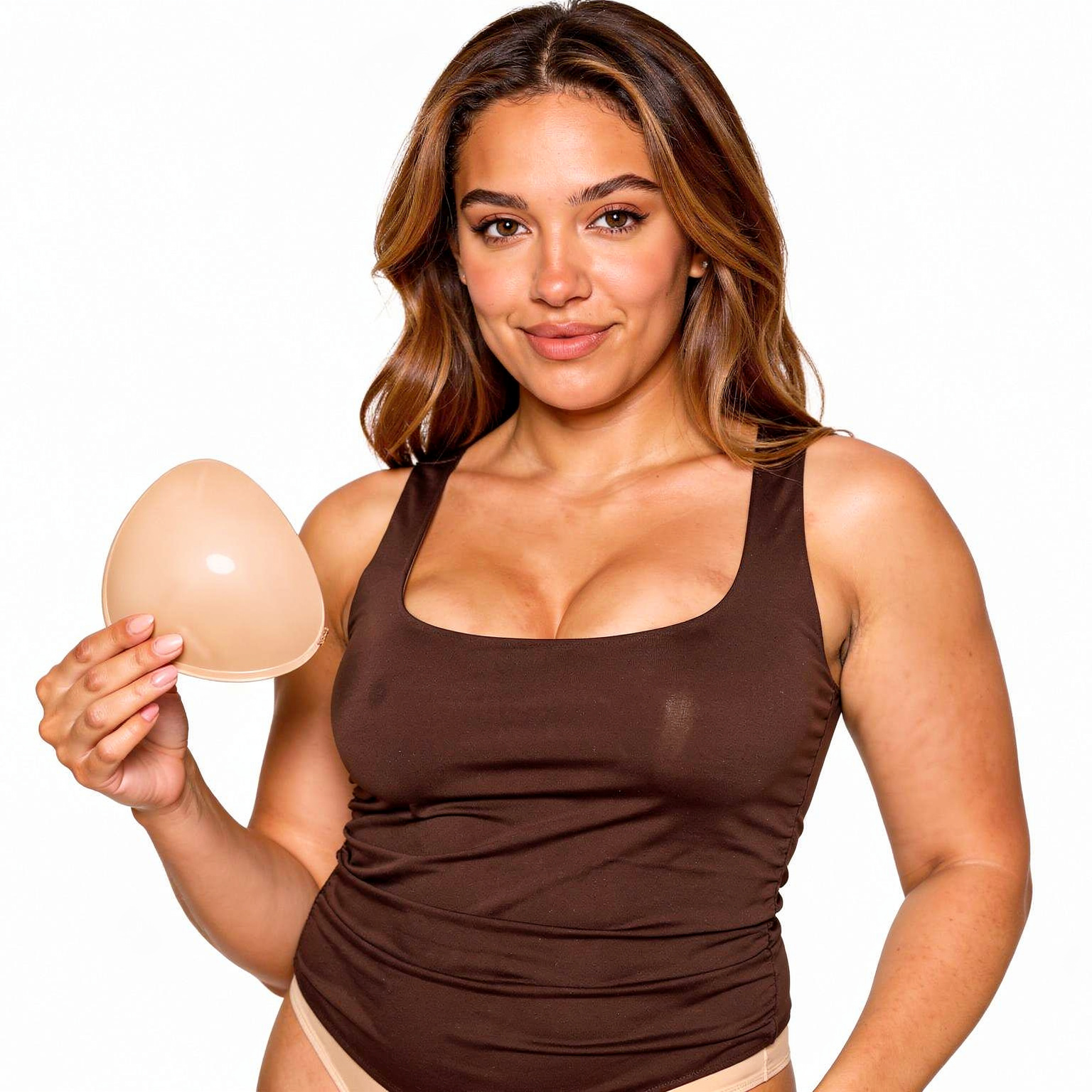
Then there is the bra-free option. Adhesive breast-lift inserts can support each breast individually, allowing you to adjust placement for a more balanced shape and cleavage. This is especially handy when one boob sits lower, is softer after body changes or needs a little more lift than the other. The goal is not to make your chest look like a copy-and-paste job. It is to help your outfit sit how you want it to.
Boobify's Boob Job in a Box™ is designed for exactly this kind of real-boob styling - including smaller, heavier, saggy and uneven breasts across a broad range of sizes. With individual placement, you can lift each side according to what it needs rather than forcing both boobs into one rigid bra shape.
How to use adhesive support for a more balanced look
A little prep makes a big difference. Start with clean, dry skin free from moisturiser, body oil and fake tan residue. Position the insert while standing tall in front of a mirror, then lift the breast gently into the position you want before securing it. If one side naturally sits lower, place that insert with a touch more upward lift. If one breast is smaller, you may prefer to position it slightly more centrally for fuller-looking cleavage.
Take your time before putting your outfit on. The best placement depends on the garment: a halter neck may need a different lift direction from a square-neck top or a slinky backless dress. Try the full look at home, move your arms, sit down and check the neckline from a few angles. Confidence is much easier when you know your boobs are staying where you put them.
Always follow the product instructions, especially around wear time and care. It is sensible to patch test any adhesive product first, and skip use on broken, irritated or sunburnt skin. If you have a skin condition, recent surgery or a medical concern, ask a pharmacist or healthcare professional for advice before using adhesive products.
Your boobs do not need to match to look amazing
The pressure to have two identical, perky, perfectly placed boobs is exhausting - and frankly, not very real-life. Breast asymmetry is part of being in a body that has grown, changed, fed babies, gained confidence, lost confidence and carried you through all of it.
You can love your natural shape and still want more lift in a dress. You can choose a supportive bra one day and go bra-free the next. Let the clothes serve you, not the other way round. A little clever placement can make an outfit feel like it was made for your body - exactly as it is.


Leave a comment
This site is protected by hCaptcha and the hCaptcha Privacy Policy and Terms of Service apply.